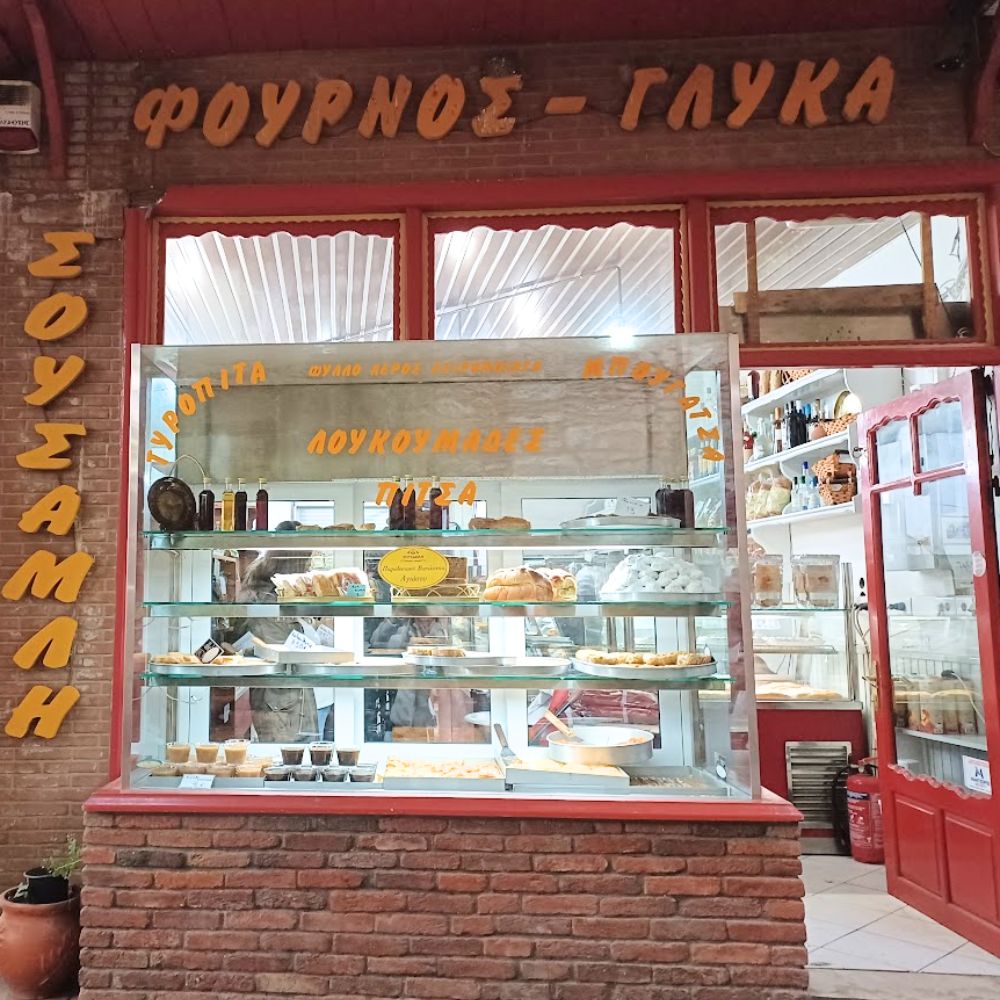
Τhe Susamli Bakery
In the footsteps of the Vasilopita of Agiaso
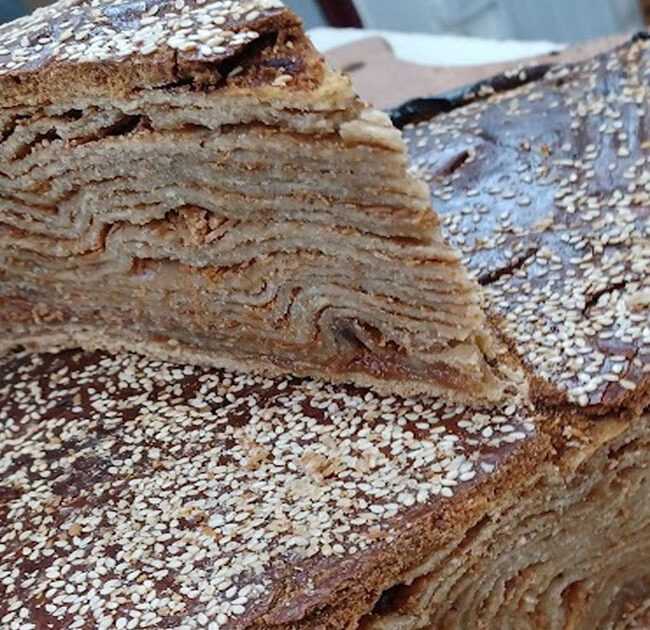
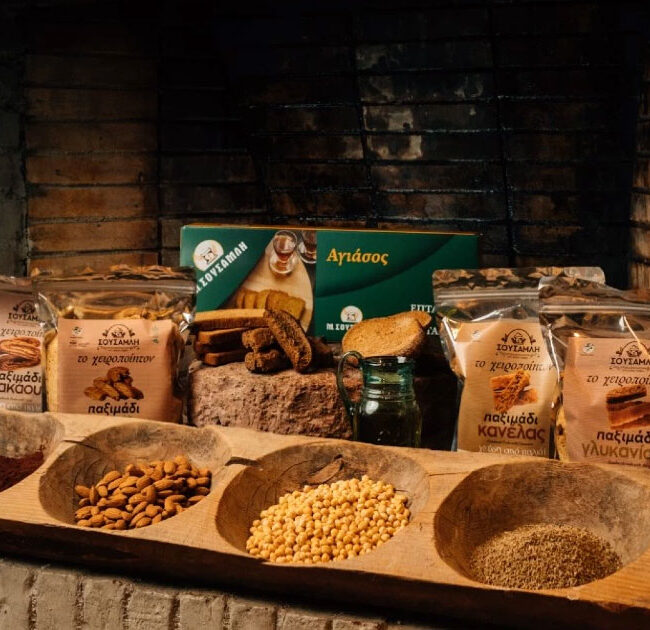
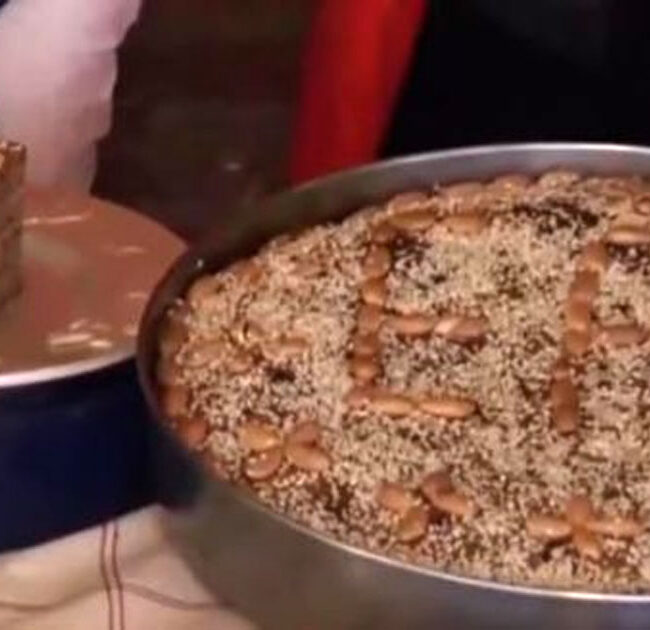
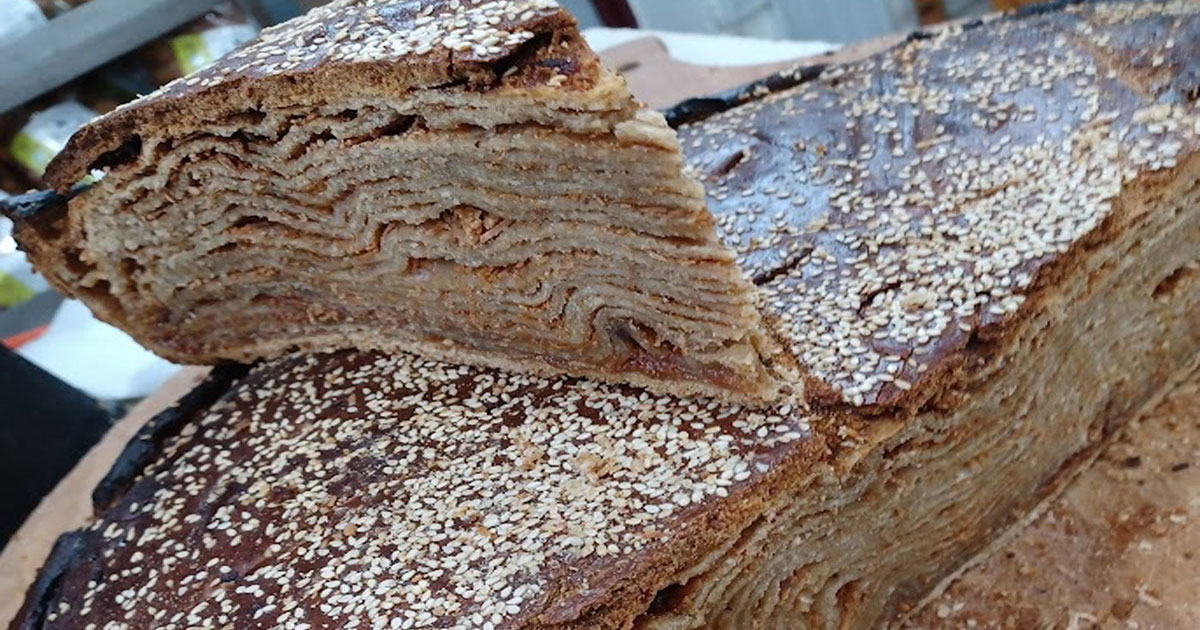
“It is a difficult Vasilopita, made one by one with dozens of layers and an intermediate filling that can reach 50,” she says. It seems to have come from the East, where we find it in various versions. In Pontus they make it with sesame, in Caesarea with walnuts. The oral traditions of the village connect it with Basil the Great, believing that in such a pie he hid the gold, according to the legend of the coin. However, it must have arrived in the village with the Asia Minor refugees. “All the houses made this Vasilopita, even the very poor ones, even though it required 5 cheeses and a forty-cent pan to make it.” However, according to Evangelia Tsompanelli, the difficulty of making it and the change in lifestyle with the appearance of other types gradually made the pie unpopular after the 1990s to 2000s, when everyone started turning to tsoureki and cakes. It was then that the people of the Sousamlis bakery, firmly oriented towards preserving traditional recipes, decided to start making it professionally in their bakery. People welcomed it to such an extent that now, apart from the holiday season, they have it all year round.
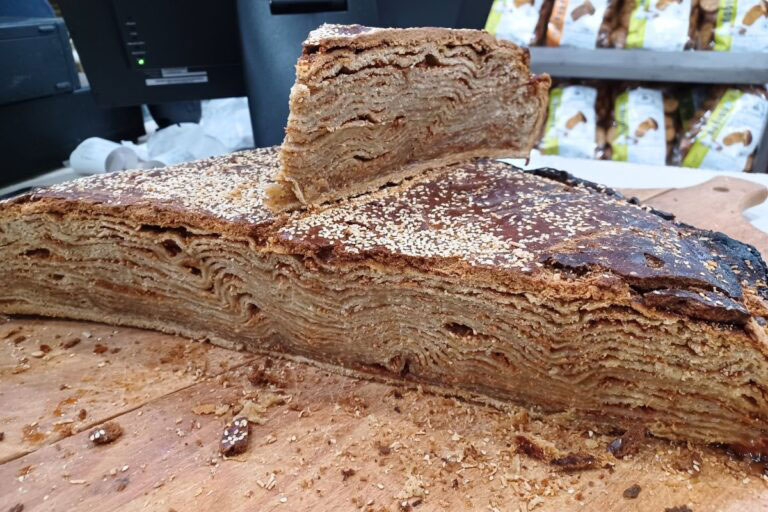
The special Agiasota Vasilopita is now sold all year round
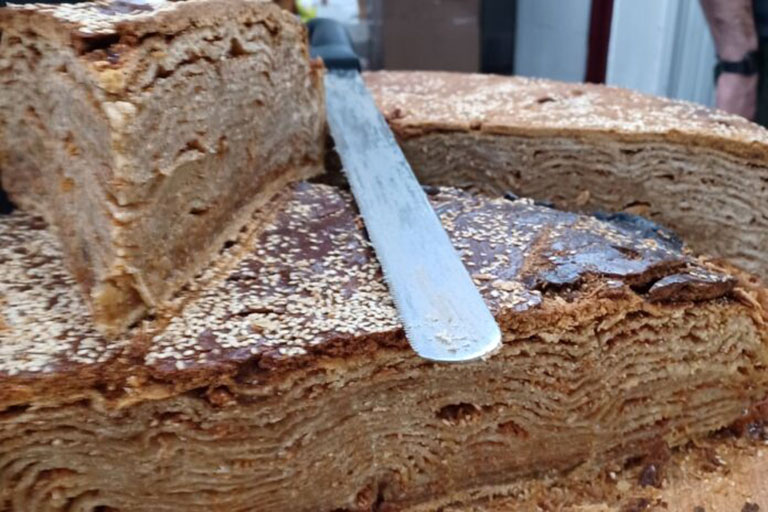
The Vasilopita of Agiasos can have up to 50 layers of phyllo dough
How to make the Vasilopita of Agiasos
“This is a basilopita, as I said before, multi-layered and tall, made sheet by sheet, layer by layer, and can include up to 50 layers of phyllo. Its phyllo roughly follows the traditional recipe of the village cake, however there are some essential differences. Boiled anise water and orange zest are added to the dough of the Agiasotiki basilopita and it is kneaded with hot oil. An incredibly difficult process for the old housewives, who used to gather all together in their homes on Christmas Eve to prepare it,” says Mrs. Tsompanelli and continues: “Each layer that is laid out is sprinkled with sugar and a mixture of salty cheeses: we put dry mizithra, gruyere and kefalotyri in our oven, the old households only put dry mizithra. “Each layer is sprinkled with cinnamon, ginger, cloves, cardamom and some herbs and even drizzled with local goat and sheep butter. The pie is closed with the last sheet of pastry and baked for 6 hours over low heat at approximately 150 °C,” he concludes.
By Christina Tsamoura
Source: icookgreek.com